TROGLOXENES AND TROGLOBITES

In Year 1 we finished off looking at trogloxenes (animals that live near the cave entrance) and troglobites (animals that live in the deeper parts of the cave). If you are keen  to practice  some English with your children then I would recommend playing the » Guess the animal» game as cited in a previous post,  using the following questions:

  • Where does it live?
  • What colour is it?
  • Is it big, medium or small?
  • Is it a baby?

En la clase de 1º terminamos mirando algunos «trogloxenes» (animales que viven cerca de la entrada de la cueva) y «troglobites» (animales que viven en las partes más profundas de la cueva). Si quereis practicar inglés con vuestros niños y niñas, os  recomiendo jugar «averiguar el animal» como citado en una entrada anterior, usando las preguntas de arriba.

CAVES

We had a great time in Piñar and our expedition down the cave was fascinating. Back at school, we were all interested in  looking at some photos of caves together with their stalactites and stalagmites. We are just learning now about  cave animals but this week has just been so short. Anyway, did you know that Mammoth cave in Kenntucky, America (see photo) is apparently the longest cave in the world, at more than 390 miles?

Lo pasamos muy bien en Piñar y nuestra expedición por la cueva fue fascinante. De vuelta al cole, todos tuvimos interés en mirar algunas fotos de las cuevas con sus estalactitas y estalagmitas. Ahora estamos aprendiendo sobre los animales que residen en las cuevas pero esta semana ha sido tan corta. ¿Sabéis que aparentemente la cueva más larga en el mundo se llama «Mammoth Cave» y se encuentra en Kenntucky, América (ver foto)?

BUGS AND THEIR HABITAT

Children in the Orange class remain fascinated with the bugs project so we are moving on to familiarize ourselves with the habitat where bugs dwell. The new vocabulary  is the following: leaf, stick, stone, tree, flower.

Los niños y niñas en la clase naranja mantienen un interés en el tema de los bichos, así que hemos empezado a familiarizarnos con el entorno donde viven. El nuevo vocabulario es el siguiente: hoja, palo, piedra, árbol, flor.

WILD ANIMALS IN THE MAKING

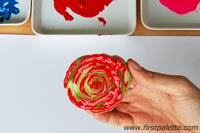
Children in the Red class are listening carefully to instructions on how to make a wild animal. They have been given a choice of 4 different animal templates and the finished item is shown below.

En la clase roja están escuchando cuidadosamente las instrucciones sobre cómo hacer un animal salvaje. Han elegido una plantilla para trabajarla y el objeto terminado esta arriba.

GETTING READY FOR OUR FIELD TRIP TO PIÑAR

In Year 1 the children are revising the names of certain garments of clothing that should be included in their luggage for their trip next week. We are using the interactive whiteboard to play matching games to help revise the following vocabulary: trainers, shorts, trousers, sweater, pyjamas, socks, t.shirt, hat.

En la clase de 1º los niños y niñas están repasando ciertos artículos de ropa que deben estar metidos en su equipaje para su excursión la semana que viene. Estamos usando la pizarra interactiva para hacer juegos de parejas y para ayudar a repasar el siguiente vocabulario: tenis, pantalones cortos, pantalones, sudadera, pijamas, calcetines, camiseta, gorra.